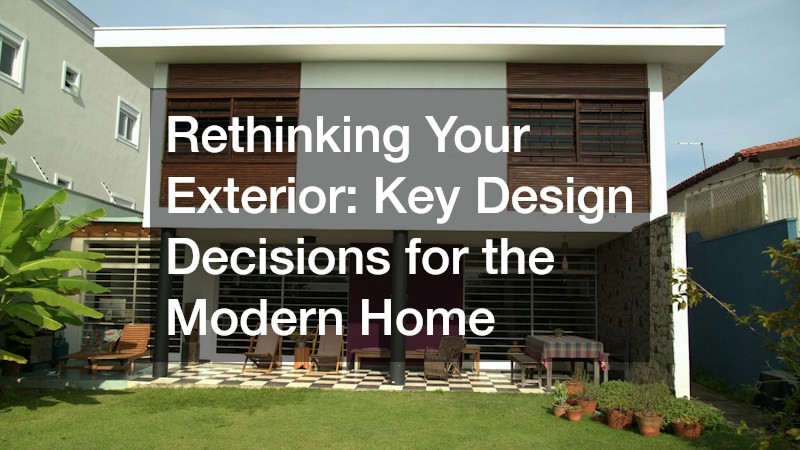
In an era defined by evolving weather patterns and a growing desire for energy efficiency, homeowners are increasingly turning their attention upward. The modern residence is no longer just a passive shelter; it is an integrated climate solution that balances environmental resilience, energy conservation, and clean architectural design. When reimagining a home’s exterior, every structural choice contributes to thermal performance, structural durability, and overall curb appeal. Among all exterior components, the overhead protective barrier plays the most vital role in shielding a living space from extreme temperatures, wind, rain, and heat retention.
Upgrading this critical surface allows property owners to lower cooling costs, minimize long-term maintenance, and create a sleek visual profile. Achieving a truly climate-smart exterior requires a thoughtful blend of advanced materials, proper insulation techniques, and expert installation. By approaching exterior design through a lens of sustainability and modern engineering, you can transform your property into an efficient sanctuary that stands up to the elements while elevating your home’s contemporary aesthetic.
Understanding how various materials interact with regional weather profiles allows homeowners to make informed decisions that yield both immediate comfort and long-term financial return. By evaluating top-tier trade organizations, comparing diverse market offerings, and consulting with established professionals, you can confidently select solutions tailored to your home’s unique orientation and structural frame. Upgrading your exterior protective layer is more than a simple cosmetic renovation; it is an investment in durability, operational efficiency, and sustainable modern living.
Assessing Thermal Efficiency and Energy Transfer
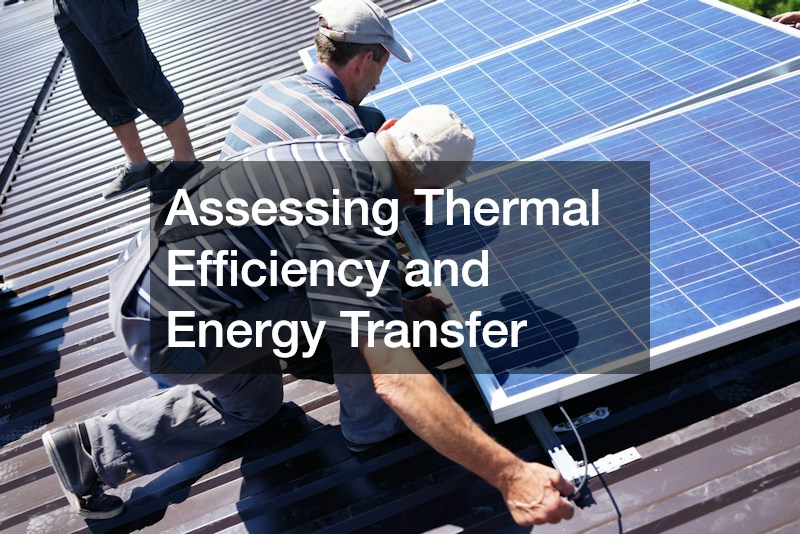
A primary goal of modern home design is reducing energy loss through intelligent material selection and surface engineering. Thermal transfer occurs constantly between the interior of a residence and the surrounding atmosphere, with the overhead envelope bearing the brunt of solar radiation during peak summer months. Traditional dark materials tend to absorb high amounts of solar heat, transferring thermal energy downward into attic spaces and forcing heating, ventilation, and air conditioning systems to work significantly harder.
Modern climate solutions focus heavily on reflective properties and high thermal emittance to combat this issue. By selecting materials engineered with specialized pigments, solar heat is bounced away from the building before it can penetrate the interior structure. This reduction in heat absorption directly translates to reduced energy consumption, lowered utility expenses, and consistent indoor temperatures year-round.
Furthermore, integrating advanced radiative cooling technology into contemporary roof structures helps stabilize a home’s microclimate. When thermal energy is effectively redirected rather than trapped within the building materials, interior living spaces maintain a comfortable baseline temperature with minimal reliance on artificial cooling. Over time, this passive thermal regulation prevents unnecessary wear and tear on mechanical systems while maintaining a balanced, eco-conscious carbon footprint.
Balancing Structural Weight and Architectural Style
Selecting the right protective surface for a building requires a careful evaluation of structural capacity alongside visual appeal. Every home has weight limitations determined by its foundational design, framing materials, and load-bearing walls. Heavier traditional options offer remarkable longevity and a distinctive, timeless look, but they demand substantial structural support that may necessitate additional reinforcement in retrofitted properties.
A classic slate roof provides unmatched durability and an undeniable sense of luxury, yet its heavy mass means it is not automatically suitable for every contemporary frame. Balancing these structural demands with modern minimalist design involves weighing the aesthetic impact of natural, heavyweight materials against lighter options that deliver high resilience without requiring extra structural bracing.
Beyond pure physics, the visual weight of an exterior material dictates how a home integrates with its surrounding landscape. Lightweight materials often allow for sleeker, thinner profiles that complement low-sloping architectural designs. By evaluating both structural engineering requirements and aesthetic goals early in the planning process, homeowners can achieve a striking silhouette without compromising structural integrity.
Exploring Sustainable and High-Performance Materials
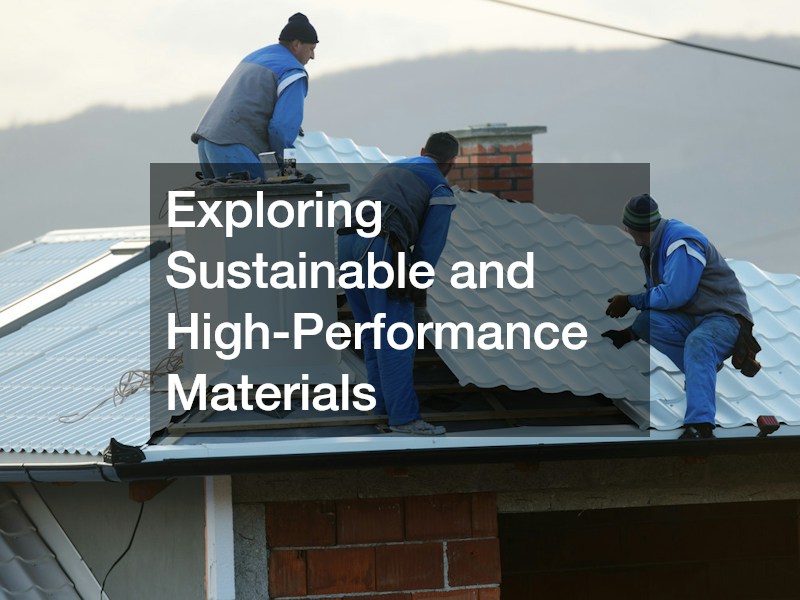
Material selection has expanded dramatically over recent decades, moving far beyond basic organic or synthetic compounds toward highly durable, engineered solutions. Modern manufacturing techniques allow materials such as metal roofing to achieve exceptional resistance to moisture, hail, and high wind uplift while maintaining clean visual lines. Many contemporary homeowners gravitate toward options that offer long life cycles and recyclability at the end of their useful service.
Metal roofing has become a premier approach for climate-conscious architectural projects because of its light weight, fire resistance, and superior solar reflectivity. Modern engineered surfaces can withstand decades of exposure without degrading, making them a cornerstone of sustainable exterior design.
In addition to durability, sustainable materials significantly lower a building’s lifecycle environmental impact. Many modern metal production processes utilize a high percentage of recycled content and can be completely repurposed at the end of their operational lifespan. This closed-loop lifecycle eliminates massive amounts of construction waste from landfills while providing homeowners with a resilient, high-performance exterior shield.
Minimizing Solar Heat Gain with Cool Surface Technology
Beyond the foundational choice of building materials, specialized surface coatings and colors dictate how a structure handles direct solar radiation. The concept of cool surface design centers on maximizing solar reflectance and thermal emittance, ensuring that a building sheds absorbed heat quickly rather than storing it overnight. Lighter shades naturally reflect a higher percentage of the light spectrum, while advanced cool-pigment technologies allow even darker tones to achieve improved thermal reflection.
Implementing modern metal roofs with high-emissivity finishes creates a dynamic surface that keeps attic spaces significantly cooler. This technological integration serves as a powerful defense against heat islands and elevated cooling bills in warm climates.
The long-term benefits of cool surface finishes extend to the preservation of the material itself. Extreme thermal expansion and contraction, caused by rapid temperature fluctuations, can prematurely age building materials and degrade seam integrity. By minimizing total heat absorption, cool surfaces undergo far less thermal stress, maintaining their structural soundness and visual finish over decades of continuous environmental exposure.
Selecting Qualified Installation Experts
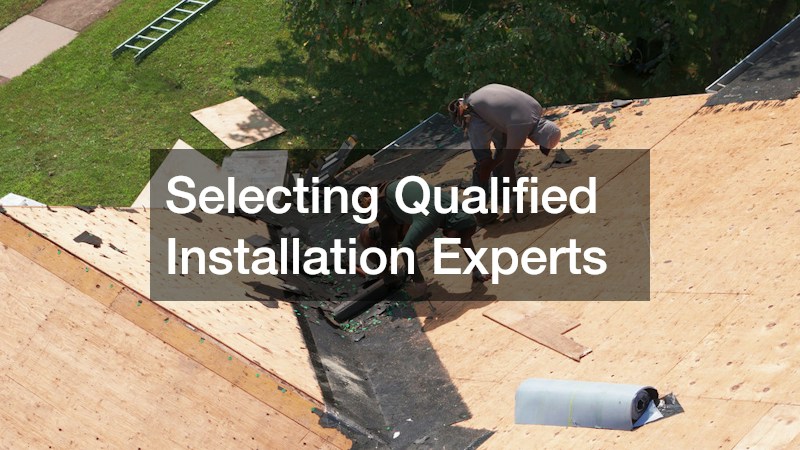
The theoretical performance of high-efficiency materials is only as reliable as the quality of craftsmanship applied during the building process. Improperly installed flashing, inadequate underlayment, or incorrectly positioned fasteners can compromise even the highest-rated product, leading to air leaks, moisture intrusion, and severe energy loss.
Partnering with seasoned roofing contractors ensures that manufacturer specifications are strictly followed and local building codes are met. Skilled trade professionals understand the intricacies of ventilation, thermal expansion, and seamless moisture barriers, ensuring your investment achieves its full design lifespan and maximum climate performance.
A qualified professional also brings invaluable project oversight to complex installations. From managing site safety to ensuring complex geometry around valleys, dormers, and skylights is properly sealed, expert installers safeguard your home against systemic failure. Investing in vetted expertise guarantees that high-performance materials perform exactly as engineered under real-world weather conditions.
Protecting Structural Integrity Through Timely Care
Maintaining an energy-efficient exterior requires ongoing attention to small structural vulnerabilities before they escalate into major dynamic failures. Wind, falling debris, temperature fluctuations, and moisture can gradually degrade sealant lines, loosen fasteners, or shift individual surface components out of alignment. Addressing minor issues quickly prevents moisture from reaching structural framing, insulation, and interior drywall.
Scheduling regular roof repairs ensures that small cracks, flashing gaps, or displaced materials are remediated immediately, preserving the continuous thermal envelope and preventing compromised insulation performance.
Proactive maintenance programs ultimately extend the service lifespan of protective exterior systems by years or even decades. Neglecting routine checkups allows minor water intrusion to rot underlying timber structures and ruin thermal insulation long before damage becomes visible inside the living quarters. A systematic maintenance strategy safeguards both your physical structure and financial equity.
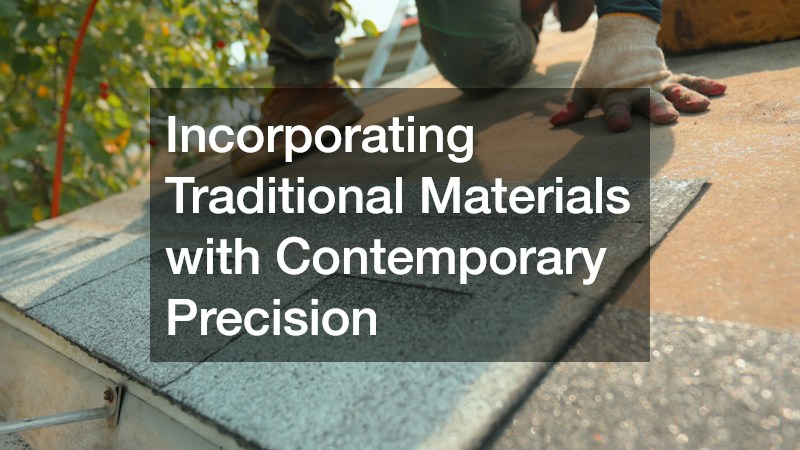
Incorporating Traditional Materials with Contemporary Precision
While modern synthetic and metal materials dominate many contemporary architectural conversations, classic choices remain highly relevant when installed using updated techniques and high-performance underlayments. Traditional composite surfaces offer versatility, affordability, and a wide array of visual profiles that complement diverse home designs.
A properly executed asphalt shingle installation leverages modern synthetic underlayments, ice and water shields, and ridge ventilation systems to deliver robust protection against moisture and temperature swings. When installed with precision, traditional material systems can achieve impressive durability while aligning seamlessly with modern climate-smart design principles.
Advanced manufacturing has also transformed composite materials, imbuing traditional surfaces with algae resistance, enhanced impact ratings, and cool-roof reflective granules. These modern innovations allow classic styles to meet rigorous modern efficiency standards without sacrificing the familiar texture and warmth that many traditional home designs demand.
Partnering with Local Trade Professionals
Regional climate conditions vary wildly, ranging from coastal humidity and high winds to freezing winter conditions and intense desert heat. A material strategy that succeeds in one environment may fail rapidly in another if regional climate factors are ignored.
Working with a knowledgeable local roofer provides invaluable insights into regional weather threats, local building codes, and optimal material performance in your immediate area. Local experts understand how regional humidity levels, snow loads, and solar exposure dictate underlayment selection, ventilation requirements, and long-term maintenance cycles.
In addition to weather-specific expertise, regional specialists offer strong relationships with local suppliers and municipal permitting offices. This local presence ensures smoother material logistics, faster project approvals, and prompt accountability should unexpected climate events test your home’s exterior integrity post-installation.
Optimizing Ventilation and Attic Insulation Systems
A truly climate-smart exterior relies heavily on the hidden mechanics operating directly beneath the visible surface cover. Proper intake and exhaust ventilation work in tandem with high-density attic insulation to regulate interior humidity and control air movement. Without adequate ventilation, trapped heat and moisture can cause wood rot, mold growth, and ice dam formation during colder months.
Installing continuous ridge vents combined with soffit intake vents allows fresh air to circulate freely through the upper structure, shedding excess heat in the summer and managing moisture buildup in the winter. This balanced airflow protects underlying materials and ensures high performance across all seasons.
Furthermore, proper attic thermal barriers prevent conditioned interior air from leaking into unconditioned roof spaces. When insulation and ventilation work in harmony, the structural temperature remains stable, protecting framing materials from thermal shock and preventing premature degradation of the protective outer layers.
Evaluating Commercial vs. Residential Trade Resources
When planning a comprehensive exterior overhaul, sourcing the right talent and supply pipeline is a critical step in turning design concepts into reality. Selecting a reputable roofing company ensures access to experienced project management, robust warranties, and high-quality materials sourced directly from leading manufacturers.
Established trade organizations bring specialized equipment and safety standards to the job site, streamlining execution and reducing project timelines. Investing in established professionals guarantees that every aspect of your exterior design, from structural underlayment to final surface detail, is built for long-term climate endurance.
Working with an established corporate entity also provides financial security through clear contracts, comprehensive liability insurance, and reliable warranty backing. These professional assurances give homeowners confidence that their investment is protected against both material defects and installation errors long after project completion.
Designing an exterior that resists environmental stress does not require sacrificing visual harmony. A modern home achieves architectural elegance through clean lines, intentional material pairings, and balanced color palettes. Integrating efficient protective surfaces alongside modern siding, energy-efficient windows, and native landscaping creates a cohesive design narrative. As climate considerations continue to shape residential architecture, choosing high-performance protective systems remains one of the most effective strategies for enhancing home value, reducing operational energy costs, and securing your property against the changing elements for decades to come.
Comprehensive exterior planning ultimately bridges the gap between architectural beauty and functional engineering. From high-reflectivity finishes and precision moisture barriers to robust ventilation frameworks, every component of a modern building envelope works together to insulate your home against thermal extremes. Prioritizing quality materials, routine maintenance, and professional installation guarantees that your residence remains a safe, comfortable, and efficient shelter long into the future, standing strong as a model of modern climate-conscious design.
To execute a successful exterior modernization project, property owners must analyze how each component aligns with their broader aesthetic and performance goals. Partnering with elite roofing companies ensures that your vision is supported by rigorous engineering standards, premium material sourcing, and long-term performance guarantees. By making deliberate, climate-focused upgrades today, you protect your home’s structural legacy while enjoying a stylish, sustainable, and highly efficient living space for years to come.