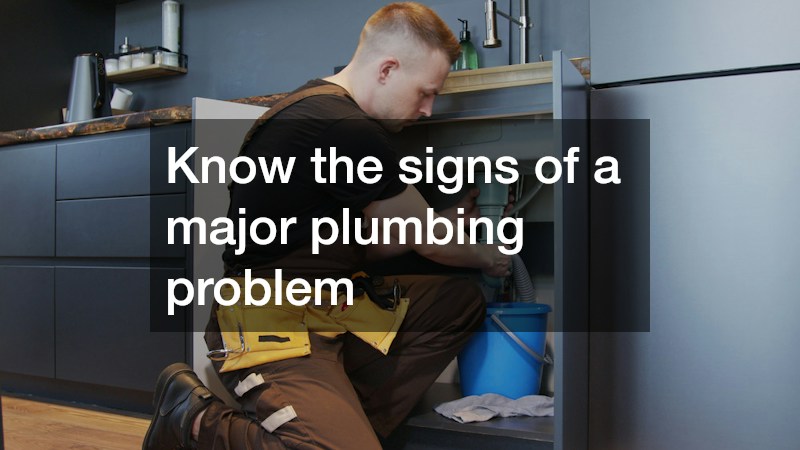
Determining whether you need to hire a plumber can be challenging, especially when plumbing issues arise unexpectedly. This article will guide you through the common signs that indicate the need for a professional plumber and help you assess when it’s best to call for expert help. Plumbing problems can vary from minor inconveniences to major disruptions in your home, but understanding the difference is key. Many homeowners face situations where they question their ability to manage plumbing issues on their own.
By the end of this article, you’ll have the knowledge to make informed decisions about when to call in a professional plumber.
What are the signs of a major plumbing problem?
Major plumbing problems often have clear indicators that you should not ignore. Persistent leaks, for example, are a common sign that something is amiss with your plumbing system. If you notice water stains on walls or ceilings, this could indicate a hidden leak that requires immediate attention. Another sign of a major issue is low water pressure, which can be symptomatic of a larger problem within the plumbing network. If water is flowing less efficiently throughout your home, it’s a sign that professional intervention is necessary.
Frequent and unexplained puddles or water accumulation around your home’s exterior can also signal significant plumbing issues. This could be a result of a broken pipe underground or improper drainage. Unpleasant odors emanating from drains or stagnant water suggest sewer problems, which are best handled by a professional plumber. Foul-smelling water could mean the sewage system is compromised, posing health risks. It’s crucial to address such symptoms promptly to prevent further damage and maintain a safe household environment.
Noisy pipes can be another signal of serious plumbing issues, such as air trapped within the pipes or loose pipe fittings. High-pitched squealing or banging noises when you use your plumbing fixtures usually indicate underlying problems that won’t resolve themselves. Having pipes that constantly emit strange noises is not only annoying but could be a precursor to larger issues if left unaddressed. Ignoring these sounds can escalate to more severe damages and costly repairs down the road. Trained plumbers have the expertise to diagnose the source of such disturbances and offer effective solutions.
When should you call a plumber instead of DIY?
While DIY plumbing can be tempting for budget-conscious homeowners, there are situations where calling a plumber is the wiser choice. For instance, if you’re dealing with complex installations like water heaters, it’s best to leave it to the experts. These systems require specialized knowledge and tools for proper installation, and mistakes can be costly. Additionally, when dealing with sewer line problems, professional plumbers have the skills and equipment to perform inspections and repairs efficiently. Professional plumbers use advanced diagnostic tools such as cameras to inspect pipes, providing precise evaluations of the problem.
Another instance where a plumber is necessary is during emergencies that require immediate attention. Situations like burst pipes or severe water leaks can rapidly cause extensive damage to a home if not dealt with promptly. Attempting DIY repairs in these scenarios could lead to further complications, exacerbating the issue. On such occasions, a quick response from a professional plumber can prevent water damage and reduce repair costs. Experienced plumbers are equipped with emergency protocols to handle urgent situations effectively.
Certain plumbing repairs and installations require a permit and must adhere to local building codes, which the average homeowner might not be familiar with. Professional plumbers are knowledgeable about these regulations and ensure that all work is compliant. Not only does this protect your home from potential legal issues, but it also ensures safety standards are met. Incorrectly performed plumbing work could void warranties on appliances and fixtures, causing future headaches. Hiring a licensed plumber guarantees that repairs comply with local codes, protecting your investment.
What plumbing tasks can I safely do myself?
Homeowners can handle some minor plumbing tasks without needing professional help. For example, replacing a faucet aerator or unclogging a minor sink blockage are tasks that require minimal tools and expertise. Aerators can become clogged with mineral deposits over time, and cleaning or replacing them can be a simple fix. Another manageable task is changing showerheads. Modern fixtures are designed for easy installation, making it straightforward for anyone to tackle these basic improvements.
Routine maintenance tasks, like inspecting pipes for minor leaks or tightening loose connections, can be performed by most individuals with the right guidance. This proactive approach can help you catch potential issues before they escalate, saving time and money on future repairs. However, if any of these tasks reveal a larger problem, consulting a plumber would be advisable. Plumbing websites and forums often provide step-by-step guides and videos to assist homeowners with basic maintenance activities. Utilize these resources for guidance, ensuring you have a handle on small maintenance tasks.
Another safe DIY task is unclogging a toilet with a plunger. While this is a common household task, knowing the correct technique is essential for successful results. Ensure you’re using a flange plunger for toilets, which is specifically designed to create the necessary seal. Repeat the plunging action as needed to clear the obstruction without using harsh chemicals that could damage your plumbing. However, recurrent clogging is indicative of deeper issues, and a plumber should be consulted for comprehensive diagnosis and remediation.
How do I choose the right plumber?
Choosing the right plumber involves several considerations to ensure a satisfactory experience. Start by verifying the plumber’s credentials, such as licenses and insurance, to confirm they are qualified for the job. Reading online reviews and asking for recommendations from friends and family can provide insights into the plumber’s reputation. It’s also beneficial to inquire about the plumber’s experience with similar projects, as specialized expertise may be needed. A plumber with years of experience is more likely to provide quality service than one new to the field.
When consulting with potential plumbers, obtaining multiple quotes can help you gauge price ranges for the services needed. Be wary of quotes that are significantly lower than others, as they may indicate either lack of experience or hidden costs down the line. On the other hand, excessively high quotes don’t always ensure superior work. Consider the value of the service, which encompasses both quality of work and the customer service experience. Good plumbers offer transparent pricing and are able to provide detailed explanations of charges.
Good communication is another critical factor in selecting a plumber. The right professional will patiently listen to your concerns, provide clear explanations, and offer helpful suggestions where possible. A plumber who rushes through your inquiries without offering satisfactory answers may not prioritize your needs. Establishing a rapport with a trusted plumber ensures that in future plumbing issues, you have a reliable contact to depend upon. Seek professionals who are approachable and eager to build a long-term relationship with their clients.
What should I expect from a professional plumber?
Hiring a professional plumber should come with certain expectations about the quality and scope of their services. First, punctuality and professionalism are key indicators of a reputable plumber. They should arrive for the appointment on time and carry themselves in a courteous manner. Respect for your home, including careful handling of existing fixtures and cleaning up post-job, is also crucial. These professionals should leave your property in the same condition they found it, minus the plumbing issues.
Professional plumbers should provide clear, written estimates detailing the scope of work and corresponding costs before beginning any project. This transparency helps ensure there are no surprises when it comes time to settle the bill. As the job progresses, a reliable plumber will keep you informed of any unforeseen issues or necessary adjustments to the original plan. Communication throughout the repair or installation process is fundamental to understanding the work being completed in your home. Trustworthy plumbers maintain open lines of dialogue to address any homeowner concerns promptly.
Finally, after completing the task, the plumber should conduct a thorough inspection to ensure all repairs or installations meet quality standards. They will test plumbing systems to confirm everything functions correctly and should be willing to explain the work that was done. A competent plumber will also offer advice on maintaining your plumbing system to prevent future problems. In addition, many reputable plumbers provide guaranteed workmanship warranties, giving homeowners peace of mind. By choosing the right professional, you receive not only a service but also assurance of quality workmanship.
Deciding whether to hire a plumber involves assessing the severity and complexity of the plumbing issue. While minor tasks can often be handled with DIY techniques, more serious problems typically require a professional’s expertise. With thorough research and careful selection, you can find a reliable plumber to address your plumbing needs effectively. Understanding when to seek professional help can save you from unnecessary expenses and ensure long-term solutions. Ultimately, being proactive about your plumbing maintenance goes a long way in maintaining a safe and functional home.