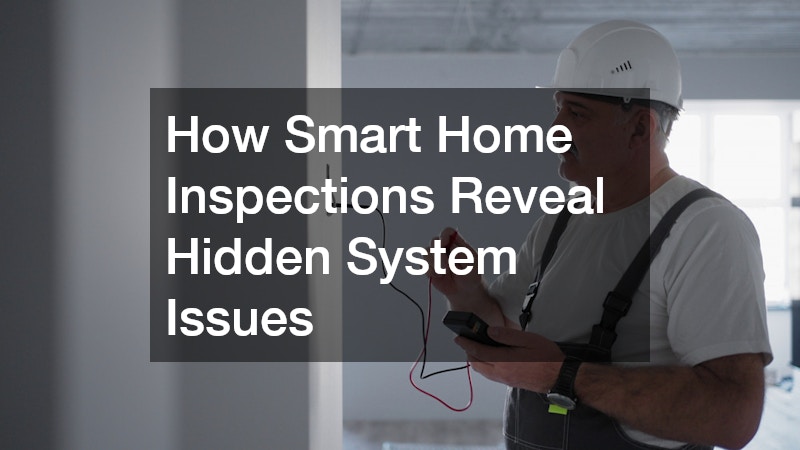
A home can look perfectly fine on the surface while hidden issues continue to develop behind walls, under floors, and within major systems. Smart inspections focus on how a property actually performs rather than how it appears during a quick walkthrough. This approach helps uncover problems early, before they turn into expensive repairs or safety concerns.
Instead of focusing only on visible damage, a smart inspection looks at how different systems interact. Heating, cooling, roofing, plumbing, electrical, and exterior structures all work together. When one area struggles, it often affects others. That is why a detailed inspection process matters for long-term home health. It also gives homeowners a clearer sense of timing, helping them decide what needs attention now versus what can be monitored.
In addition to identifying potential issues, smart inspections can also provide valuable insights into a home’s overall energy efficiency. By evaluating how well heating and cooling systems operate in conjunction with insulation and windows, homeowners can pinpoint areas where improvements can be made. This not only enhances comfort but can also result in significant cost savings on utility bills over time. Furthermore, understanding the interconnectivity of various home systems allows owners to prioritize upgrades and repairs in a strategic manner, ensuring that investments are made wisely and that the home remains a safe, efficient, and welcoming space for years to come.
Understanding How Modern Inspections Work

A strong inspection process starts with a full-property evaluation that goes beyond surface-level checks. A home inspector studies structural integrity, system performance, and signs of wear that may not be obvious during daily living.
The process often follows a structured flow. First, the inspector walks through the property to observe visible conditions. They note water damage, uneven flooring, roof wear, and electrical irregularities. Next, tools such as thermal imaging, moisture readers, and electrical testers are used to detect hidden issues. These tools help reveal temperature gaps behind walls, moisture trapped in insulation, or wiring that may be overheating. Finally, findings are compiled into a report that explains what is working well and what needs attention.
A deeper inspection also compares current conditions to expected system lifespan. This helps identify whether wear is normal aging or early failure. It also highlights patterns, such as repeated issues in the same area of the home.
This approach helps homeowners understand not just what is wrong, but why it is happening and how it connects to other parts of the home. That level of clarity supports better long-term decision-making and reduces guesswork during repairs.
Heating and Cooling System Performance
Heating and cooling systems often show early signs of inefficiency long before failure occurs. A skilled HVAC company can identify airflow restrictions, uneven temperatures, and rising energy use during inspection.
One common issue is buildup inside ducts and coils. hvac closed loop cleaning becomes important when debris or microbial buildup restricts airflow and strains the system. The process involves isolating the system loop, flushing contaminants, and restoring circulation for improved performance. This step-by-step process often begins with shutting down the system safely, sealing sections of ductwork, introducing a cleaning solution or controlled airflow system, and then verifying pressure balance once complete.
In other cases, systems may be too outdated to function efficiently. An ac install may be recommended when repair costs outweigh long-term benefits. This includes evaluating system sizing, duct compatibility, refrigerant type, and electrical load before installation begins. A proper installation process also includes testing airflow distribution across rooms to confirm balanced cooling.
Additional inspection steps often include checking thermostat calibration, measuring energy draw during peak operation, and identifying short cycling issues that indicate internal stress. These details help determine whether the system is struggling due to maintenance neglect or structural inefficiency within the home itself.
Roofing Conditions and Structural Protection
Roof issues often develop quietly. An expert roofer looks for early warning signs such as flashing gaps, attic moisture, or uneven shingle wear.
Inspection usually begins in the attic to check ventilation and insulation conditions. Poor airflow can trap heat and moisture, leading to hidden structural damage. The roof surface is then examined for curling shingles, soft spots, or water entry points. Inspectors may also look for granule loss, which often signals aging materials and reduced protection against weather exposure.
A deeper evaluation includes checking roof valleys and edges, where water flow is most concentrated. These areas often show early deterioration that spreads if ignored. Structural framing beneath the roof is also reviewed for sagging or stress points.
Small defects often reveal larger structural stress beneath the surface. Identifying these early helps prevent interior damage, mold growth, and insulation breakdown that can be expensive to repair once fully developed.
Water Systems and Subsurface Supply
Water systems require careful evaluation, especially in homes that rely on private sources. Water well companies often assist in diagnosing pressure instability, pump issues, and contamination risks.
Inspection starts with checking water pressure consistency throughout the home. Next, the system is evaluated from the pump to the storage tank for wear, vibration issues, or irregular cycling patterns. Inspectors may also test how quickly pressure recovers after multiple fixtures are used at once.
Water quality testing is another key step. Even clear water can contain minerals or contaminants that affect plumbing systems over time. Testing helps identify whether filtration systems are functioning properly or if upgrades are needed.
Additional inspection points include checking pipe insulation in colder climates, reviewing tank pressure settings, and ensuring backup systems activate correctly during power loss. If issues are found, solutions may include pump adjustment, filtration upgrades, or pipe maintenance to restore reliability and safety.
Electrical System Safety and Stability
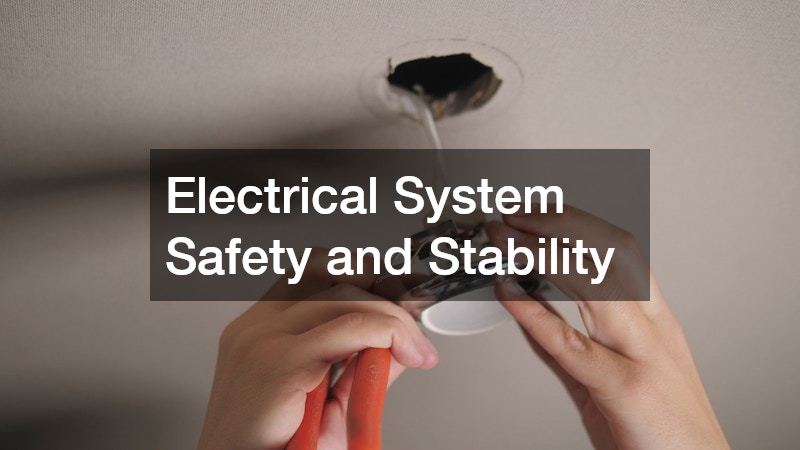
Electrical systems can hide serious risks behind walls and outlets. Electrical contractors are often called in when a deeper inspection reveals instability or outdated components.
The process begins at the electrical panel, where inspectors check for overloads, corrosion, loose wiring, or breaker fatigue. Each circuit is evaluated to ensure load distribution is balanced and safe. Panels that show signs of heat stress often require immediate attention.
Outlets and switches are tested throughout the home to identify inconsistent power flow or grounding issues. Inspectors may also use load testing to simulate real-world energy use and detect weak circuits that fail under demand.
Thermal detection tools can locate overheating wires behind walls or ceilings. This step is critical because heat buildup often appears before visible damage or electrical failure occurs.
Addressing these issues early helps reduce safety risks, improve system stability, and prevent sudden outages or fire hazards.
Exterior Boundaries and Property Protection
Exterior structures contribute more to home stability than many realize. A fencing contractor evaluates perimeter conditions during inspection to identify movement, wear, or instability.
Fence lines are checked for leaning posts, shifting soil, and material degradation caused by weather exposure. Wood rot, rust, and loose fasteners are common issues that develop gradually over time. Inspectors also check gate alignment, which often reveals ground movement across the property.
A deeper inspection includes reviewing drainage patterns along fence lines. Poor drainage can weaken post foundations and accelerate structural decline. Wind exposure is also considered, especially in open areas where pressure on fencing is higher.
Early detection helps maintain both security and structural consistency across the property boundary while reducing long-term replacement costs.
Driveway and Surface Integrity
Driveways and paved surfaces experience constant stress from weather and weight load. An asphalt company assesses these areas for cracking, shifting, and sub-base movement.
Inspection begins with surface leveling to identify uneven settling or sinking areas. Cracks are then examined to determine depth, direction, and spread pattern. Wider cracks often indicate foundation movement beneath the surface.
Drainage flow is also reviewed to ensure water does not pool or erode edges. Poor drainage is one of the most common causes of premature asphalt failure.
A detailed inspection may also include testing surface hardness and reviewing past repair patches to see if they are holding correctly under current conditions.
Renovation Impact on Existing Systems
Home updates often expose hidden system limitations. Home remodeling projects can uncover outdated wiring, plumbing constraints, or ventilation issues that were not previously visible.
Inspection during renovation planning ensures structural elements and systems are compatible with new designs. This includes reviewing load-bearing walls, system capacity, and material integration before work begins.
Step-by-step coordination includes evaluating existing systems, identifying conflicts with new layouts, and adjusting plans before construction starts. During active remodeling, inspections may continue to confirm that systems remain compliant and stable as changes are made.
This process reduces delays, prevents costly corrections, and helps ensure the finished space functions safely and efficiently.
Role of Full Property Evaluation
A home inspector connects all systems into a single, unified view. Instead of treating issues separately, inspection findings show how one problem influences another.
Roof ventilation may affect HVAC efficiency. Electrical strain may impact cooling systems. Drainage issues may weaken structural foundations. These connections often explain recurring or widespread home issues.
A structured inspection typically moves from exterior systems to interior systems, then compares findings to identify patterns of stress or failure. This layered approach provides a clearer picture of overall home performance.
Building a Long-Term Maintenance Strategy

Once inspection results are reviewed, homeowners can create a structured maintenance plan. This involves prioritizing urgent repairs, scheduling system tune-ups, and tracking aging components over time.
Regular maintenance reduces system strain and prevents unexpected breakdowns. Small improvements, when done consistently, extend the lifespan of major home systems and improve efficiency.
A long-term strategy also includes seasonal checks to prepare the home for temperature changes and environmental stress. This keeps performance steady throughout the year.
How Environmental Conditions Reveal Weak Points
A home constantly responds to its environment. Temperature shifts, humidity, wind, and seasonal changes all affect structural materials and system performance.
Moisture exposure is often one of the first indicators of hidden issues. It can slowly travel through materials before appearing indoors. Wind can loosen exterior components, while seasonal expansion and contraction widen existing cracks.
Drainage patterns are also important. Poor water flow around the property can gradually weaken foundations and exterior surfaces. Over time, these environmental forces shape how the home ages and where weaknesses appear first.
Turning Inspection Findings Into Practical Home Improvements
Inspection reports only become valuable when used effectively. The first step is prioritizing issues based on urgency, focusing first on safety and structural concerns.
Next, related issues are grouped together. Airflow problems may be connected to insulation issues, while electrical inconsistencies may be related to outdated components. Addressing these together improves efficiency and reduces repeat problems.
Repairs are completed with professional coordination, followed by follow-up checks to confirm issues are fully resolved. This process strengthens long-term home performance and reduces unexpected breakdowns.
Smart inspections reveal how a home truly functions beneath the surface. They uncover hidden stress points, connect system performance, and show how small issues can develop into larger concerns over time.
With this level of understanding, homeowners gain better control over maintenance, repairs, and long-term planning. The result is a safer, more stable home that performs consistently rather than reacting to problems after they escalate.
In addition, smart inspections can enhance energy efficiency by identifying areas where energy is being wasted. By addressing these inefficiencies, homeowners can not only reduce their utility bills but also contribute to a more sustainable environment. With technology-driven insights, homeowners are empowered to make informed decisions that prioritize both comfort and eco-friendliness, leading to a healthier living space and a lower carbon footprint.
Empowering Homeowners Through Smart Inspections
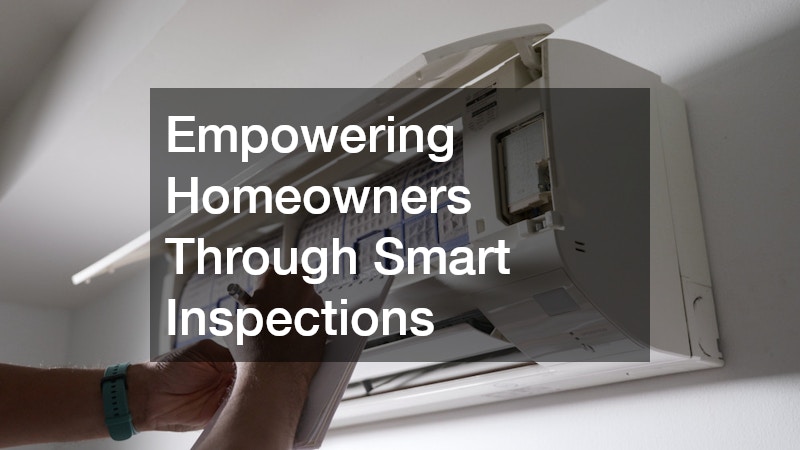
Embracing smart inspections equips homeowners with the knowledge and tools to maintain their properties proactively. This proactive approach fosters not only peace of mind but also a home that remains a safe and enjoyable space for years to come.
Regular smart inspections can help identify potential issues before they escalate into costly repairs. By leveraging technology and expert insights, homeowners can prioritize maintenance tasks and allocate their resources more effectively. This not only enhances the overall value of the property but also contributes to a more sustainable living environment, as minor concerns are addressed promptly, preventing further deterioration. Ultimately, a commitment to smart inspections reflects a responsible and forward-thinking approach to homeownership.