Key Takeaways
- Focus on high-impact areas like kitchens, bathrooms, and curb appeal to maximize returns
- Small, budget-friendly upgrades can significantly improve your home’s value and appeal
- Energy-efficient improvements attract buyers and reduce long-term costs
- Decluttering, lighting, and layout changes can make your home feel more spacious
- Addressing minor repairs helps maintain a polished and well-maintained appearance
- Avoid over-improving beyond your local market to protect your return on investment
- Functional spaces and smart upgrades increase both usability and long-term value
Upgrading your home is not just about improving comfort or aesthetics—it’s also a strategic way to increase its overall value. Whether you’re planning to sell in the near future or simply want to maximize your investment, making the right improvements can significantly impact your return.
Not all upgrades are created equal. Some improvements offer a higher return on investment (ROI) than others, while some may not add much value at all. The key is to focus on changes that appeal to buyers, improve functionality, and enhance long-term durability.
This guide explores practical and cost-effective ways to upgrade your home while ensuring you get the best possible return.
Why Should You Focus on ROI When Upgrading Your Home?
When planning home upgrades, it’s important to think beyond personal preferences and consider what adds real value. ROI-focused improvements help you recover your costs when selling and may even increase your property’s market price.
Benefits of ROI-Focused Upgrades
- Higher resale value
- Faster property sales
- Increased buyer interest
- Better long-term savings
Making smart upgrade decisions ensures your time and money are well spent.
What Areas of Your Home Offer the Highest Return?
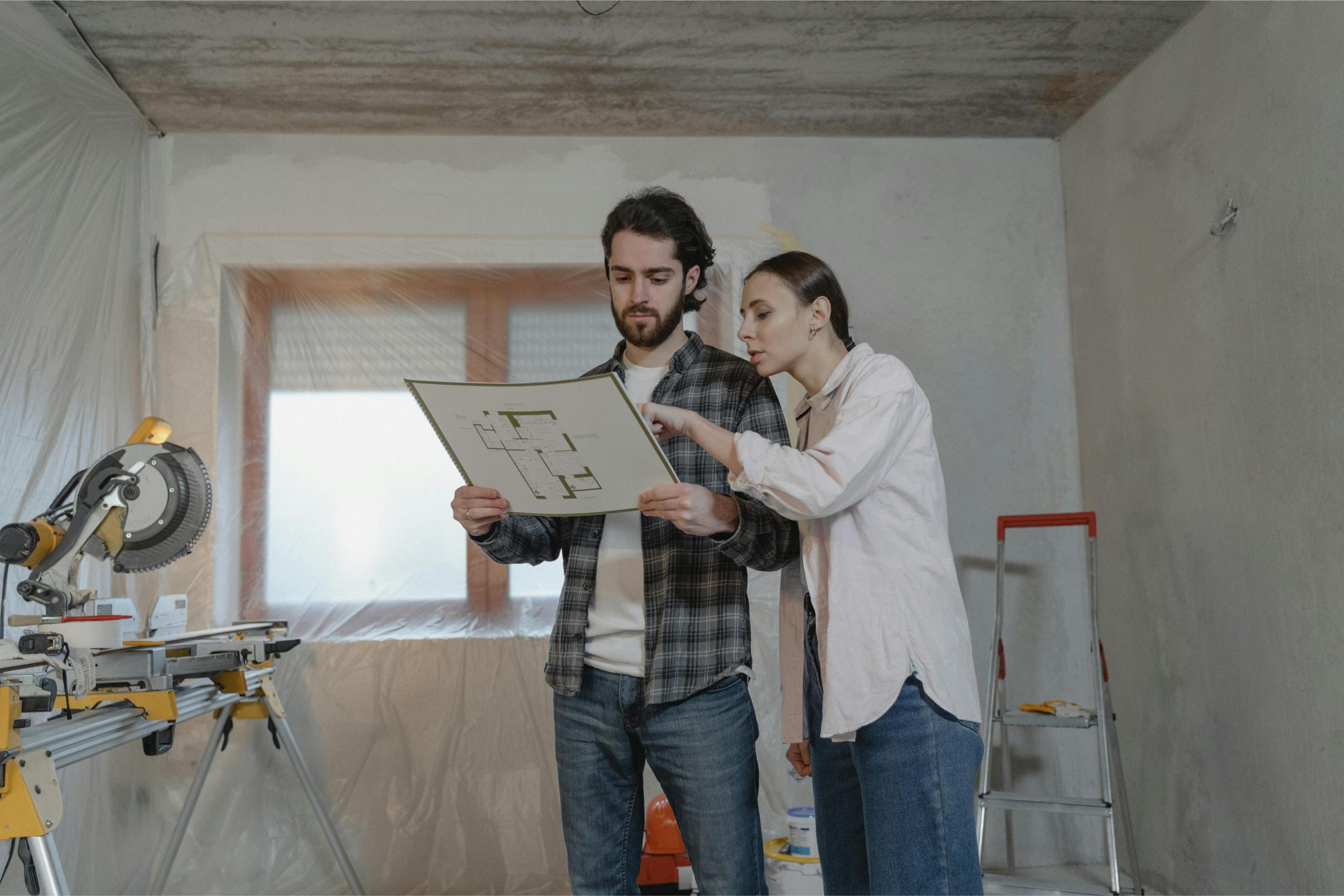
Certain parts of your home consistently deliver better returns than others. Focusing on these areas can maximize your investment.
High-Impact Areas to Upgrade
- Kitchen
- Bathrooms
- Living areas
- Exterior and curb appeal
These spaces are often the most important to potential buyers and can influence their overall perception of your home.
How Can You Improve Your Kitchen Without Overspending?
The kitchen is often considered the heart of the home, making it one of the most valuable areas to upgrade.
Budget-Friendly Kitchen Upgrades
- Replace cabinet hardware
- Update lighting fixtures
- Refinish or repaint cabinets
- Upgrade countertops if needed
Small, modern updates can make your kitchen feel new without requiring a full renovation.
What Bathroom Improvements Add the Most Value?
Bathrooms are another key area where upgrades can yield strong returns.
Simple Bathroom Enhancements
- Install new faucets and fixtures
- Replace outdated lighting
- Re-grout tiles and clean surfaces
- Add modern mirrors
Clean, updated bathrooms give buyers confidence in the home’s condition.
How Important Is Curb Appeal?
First impressions matter, and your home’s exterior plays a major role in attracting buyers.
Ways to Boost Curb Appeal
- Maintain landscaping and lawn
- Repaint or clean the exterior
- Upgrade the front door
- Improve outdoor lighting
A well-maintained exterior sets a positive tone before buyers even step inside.
Should You Invest in Energy Efficiency?
Energy-efficient upgrades are increasingly attractive to buyers and can reduce long-term costs.
Energy-Efficient Improvements
- Install energy-efficient windows
- Upgrade insulation
- Replace old appliances
- Use LED lighting
These upgrades not only add value but also appeal to environmentally conscious buyers.
How Can You Make Your Home Feel More Spacious?
Space is a key factor in home value, even if you can’t physically increase square footage. Buyers are naturally drawn to homes that feel open, airy, and easy to move through. Fortunately, you don’t need major renovations to achieve this effect. With a few strategic changes, you can create the illusion of a larger, more comfortable space.
Improving how your home feels is just as important as improving how it looks. By optimizing layout, lighting, and organization, you can make rooms appear bigger and more inviting, which can positively influence buyer perception and overall value.
Tips to Create More Space
- Declutter and organize: Remove unnecessary items to free up visual space and make rooms feel less crowded
- Use light colors on walls: Soft, neutral tones reflect light and create an open, airy atmosphere
- Rearrange furniture for better flow: Position furniture to allow easy movement and avoid blocking pathways
- Add mirrors to reflect light: Mirrors can make rooms appear larger by bouncing light around the space
Creating a sense of openness can significantly improve buyer perception. When your home feels spacious and well-organized, it becomes more appealing and easier for potential buyers to envision themselves living there.
What Flooring Upgrades Are Worth It?
Flooring has a major impact on how your home looks and feels.
Flooring Improvements
- Refinish hardwood floors
- Replace worn carpets
- Use durable, modern materials
Updated flooring makes your home appear cleaner and more modern.
How Can You Add Functional Living Spaces?
Functional spaces are highly attractive to buyers because they make a home more practical and adaptable to different lifestyles. Today’s homeowners are looking for spaces that can serve multiple purposes—whether it’s working from home, organizing belongings, or relaxing outdoors. Adding functionality doesn’t always require major renovations; often, it’s about making better use of the space you already have.
When a home feels versatile and efficient, it stands out in the market. Buyers are more likely to see long-term value in a property that meets their daily needs and can adapt to future changes.
Ideas for Functional Upgrades
- Create a home office: Designate a quiet area for work or study, even if it’s just a small corner with a desk and proper lighting
- Add storage solutions: Install shelves, cabinets, or built-in storage to keep spaces organized and clutter-free
- Improve outdoor living areas: Turn patios, balconies, or yards into usable spaces for relaxation or entertaining
- Convert unused spaces into usable rooms: Transform basements, attics, or spare rooms into functional areas like guest rooms, gyms, or hobby spaces
These upgrades increase both usability and value. By enhancing how your home functions, you make it more appealing to a wider range of buyers and improve its overall market potential.
Is It Worth Upgrading Your Lighting?
Lighting can transform the atmosphere of your home.
Lighting Improvements
- Replace outdated fixtures
- Add layered lighting
- Maximize natural light
Well-lit spaces feel more inviting and modern.
How Do Small Repairs Impact ROI?
Minor issues can reduce perceived value and turn buyers away.
Common Repairs to Address
- Fix leaks and cracks
- Repair doors and windows
- Replace broken fixtures
Taking care of small problems helps maintain a polished appearance.
What About Long-Term Investment Strategies?
Some homeowners look beyond selling and consider alternative ways to maximize returns.
Many choose to convert home into rental property as a way to generate ongoing income while increasing overall property value.
Rental Conversion Considerations
- Ensure compliance with local regulations
- Upgrade essential systems
- Create separate living spaces if possible
- Focus on durability and low maintenance
This approach can provide steady income and long-term financial benefits.
How Can You Prioritize the Right Projects?
With limited time and budget, prioritizing upgrades is essential.
How to Choose Wisely
- Focus on high-impact areas first
- Avoid overly personalized designs
- Consider buyer preferences
- Balance cost with potential return
Smart prioritization helps maximize your investment.
Why Should You Avoid Over-Improving?
Spending too much on upgrades can reduce your return on investment, especially if your improvements go beyond what is typical for homes in your area. While it’s tempting to add high-end features or luxury finishes, these upgrades may not always translate into higher resale value if buyers in your market aren’t willing to pay for them.
Over-improving can also make your property less competitive. If your home is priced significantly higher than similar properties nearby due to costly upgrades, it may take longer to sell. The goal is to enhance your home in a way that aligns with buyer expectations and local market standards.
Tips to Avoid Over-Improving
- Research local market trends: Understand what buyers in your area are looking for and what features are most valued
- Compare similar properties: Look at recently sold homes to see what upgrades are common and how they impact pricing
- Stick to practical upgrades: Focus on improvements that enhance functionality, comfort, and broad appeal rather than overly personalized or luxury features
Keeping improvements in line with your market ensures better returns. By making smart, balanced decisions, you can increase your home’s value without overspending or limiting your pool of potential buyers.
How Do You Balance Style and Function?
A successful upgrade combines both aesthetics and practicality.
Key Considerations
- Choose timeless designs
- Focus on durability
- Maintain consistency throughout the home
Balanced upgrades appeal to a wider range of buyers.
What Are the Most Valuable Upgrades Overall?
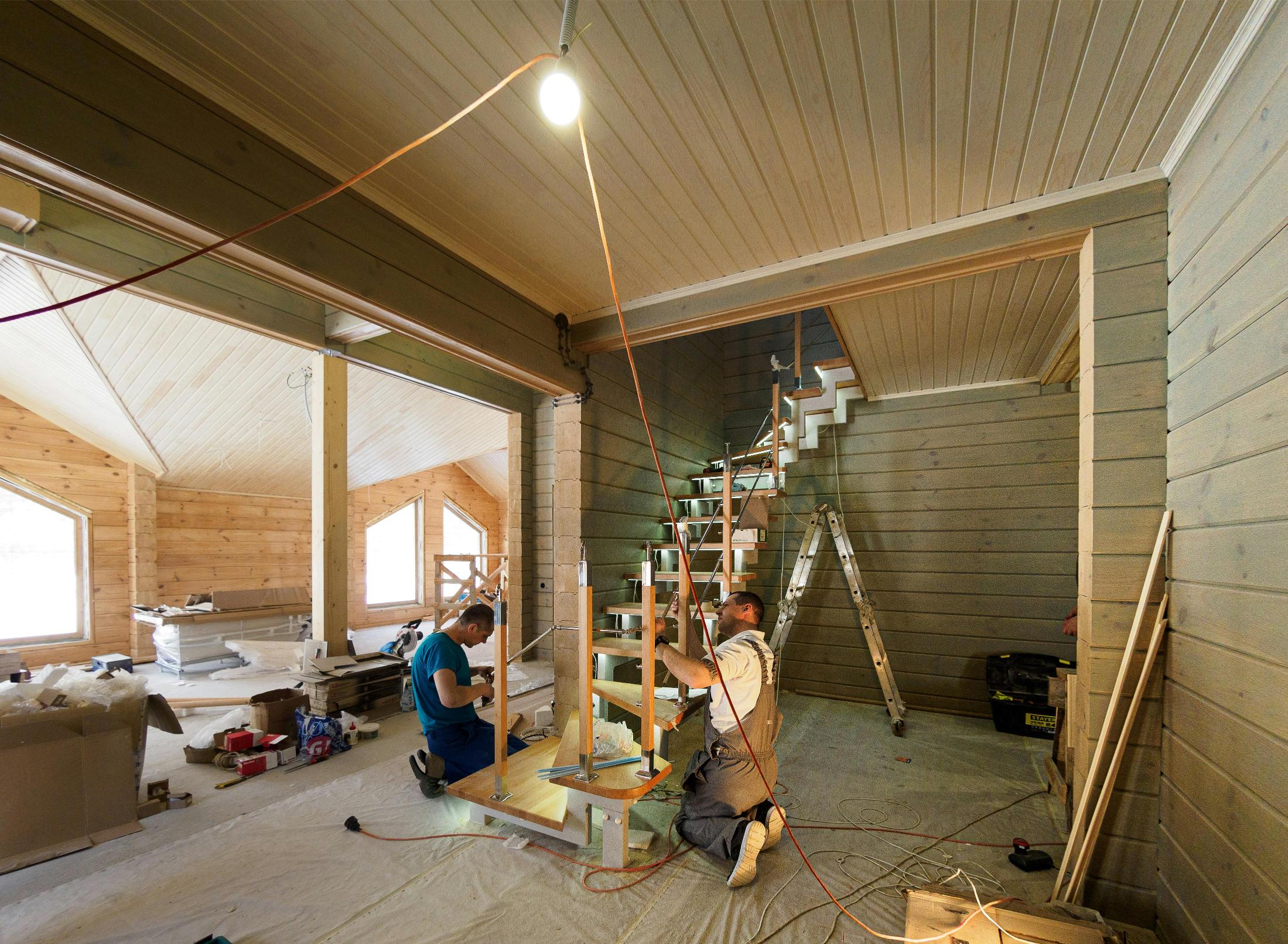
Some improvements consistently deliver strong returns.
Many homeowners focus on home improvement projects that add value by targeting areas like kitchens, bathrooms, and curb appeal.
Top Value-Adding Upgrades
- Kitchen and bathroom updates
- Fresh paint
- Flooring improvements
- Energy-efficient features
- Exterior enhancements
These upgrades are proven to attract buyers and increase property value.
Final Thoughts on Upgrading Your Home for ROI
Upgrading your home for better return on investment requires careful planning and smart decision-making. By focusing on high-impact areas, maintaining your home, and choosing practical improvements, you can significantly increase its value.
Whether you’re preparing to sell or looking for long-term financial benefits, the right upgrades can make a lasting difference. With a strategic approach, your home can become both a comfortable living space and a valuable investment.