
Future-proofing a home for comfort is less about anticipating specific problems and more about reducing friction over time. A comfortable home absorbs change. It doesn’t force you to constantly compensate for it.
The mistake many homeowners make is assuming comfort is static—something you “get right” once. In reality, comfort shifts as seasons change, technology advances, and personal needs evolve. A home that feels effortless today can feel demanding five years from now if it wasn’t designed with adaptability in mind.
The work of future-proofing is subtle. Most of it happens quietly, long before anything feels broken.
Designing Flexible Living Spaces for Changing Needs
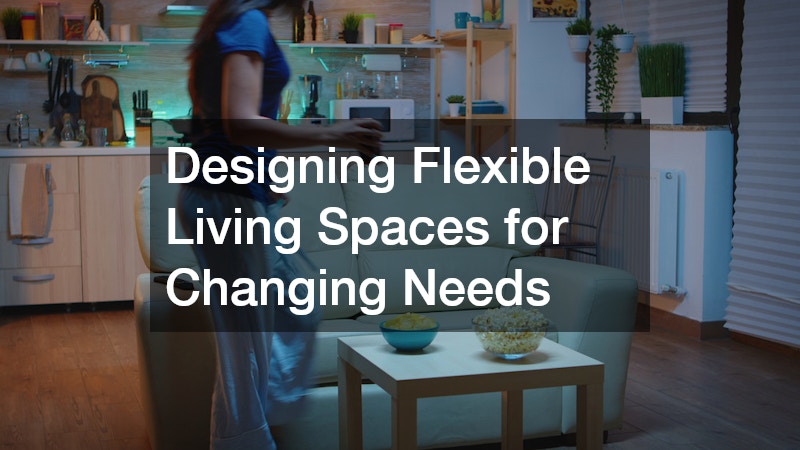
Some spaces age gracefully.
Others age awkwardly.
The difference is rarely square footage.
It’s intention — or the lack of it.
Rooms designed around a single, fixed idea tend to struggle as life shifts.
A formal sitting room that’s rarely used.
A spare bedroom that only works for overnight guests.
A dining area sized perfectly for holidays, but awkward the rest of the year.
These spaces aren’t poorly built.
They’re simply inflexible.
Over time, that rigidity becomes noticeable. Not all at once, but gradually. A room starts to feel out of sync with daily life. You stop using it without quite realizing why.
Life has a way of expanding sideways.
- A job moves home
- A hobby becomes a habit
- The need for quiet grows louder
Suddenly, rooms that once felt adequate begin to feel restrictive. Furniture gets dragged around. Temporary solutions become permanent. Certain areas are avoided altogether because they no longer fit how you live.
- Tolerance for rearranged furniture
- Tolerance for changing schedules
- Tolerance for different levels of privacy or connection, depending on the day
Managing Moisture and Air Quality Before Problems Start
Most air quality problems start invisibly.
Nothing dramatic happens. No alarms go off. The house just feels slightly off—heavier somehow. You crack a window. You adjust the thermostat. You assume it’s temporary. A weather thing. A seasonal quirk.
Because there’s no obvious failure, the discomfort becomes background noise.
What often goes unnoticed is how consistent that feeling becomes. The air never quite resets. Certain rooms feel damp longer than they should. Odors linger just enough to be questionable, but not enough to demand action.
Years later, the conversation shifts to mold remediation, and suddenly, the issue feels urgent, invasive, and overwhelming. Walls are opened. Schedules are disrupted. The home that once felt manageable now feels fragile.
This is why future comfort depends so much on what you choose to notice early.
Homes that maintain consistent comfort tend to have stable moisture conditions. Not perfect. Stable.
You can feel the difference:
- The air feels neutral rather than heavy
- Surfaces dry within a predictable amount of time
- Smells don’t linger without explanation
- Rooms feel similar to one another instead of being oddly inconsistent
The goal isn’t to obsess over humidity levels or chase exact numbers. It’s to respect patterns.
A one-off change is rarely meaningful. A repeated one is.
When something feels persistently different—week after week, season after season—it usually is. That difference is information, not inconvenience.
Comfort is preserved when small imbalances are corrected early, while solutions are still simple and non-disruptive. Left alone, those same imbalances harden into problems that demand far more attention than they ever should have needed.
Strengthening the Home’s Exterior Against Long-Term Wear
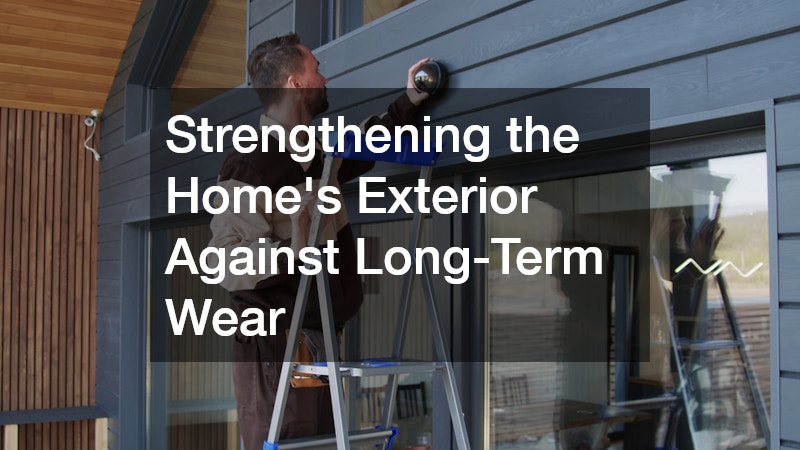
Interior comfort often fails from the outside in.
You can upgrade systems, add insulation, and tweak controls endlessly, but if the exterior envelope is quietly degrading, comfort will always feel slightly unstable.
This isn’t about panic maintenance. It’s about awareness.
A local roofing contractor doesn’t just fix leaks. They understand how materials age in your specific climate, how ventilation interacts with structure, and which small issues tend to become large ones if ignored.
The mistake homeowners regret most isn’t delaying a repair—it’s being surprised by one.
Future-proof comfort comes from reducing surprise:
- Knowing what’s nearing the end of its useful life
- Planning replacements instead of reacting to failures
- Treating the exterior as an active system, not a static shell
When the outside holds steady, the inside can finally relax.
Preparing Your Home for Safety and Emergency Readiness
Comfort changes when you trust your home.
It’s subtle, but real. A house with uncertain safety systems never fully fades into the background of your mind. There’s always a low hum of doubt.
Older setups often “work,” but not well. Alerts that don’t reach every room. Systems that aren’t integrated. Devices installed for a layout that no longer exists.
A local fire alarm company can help modernize these gaps, but the deeper benefit is emotional. You stop wondering whether something would be caught in time.
Future-proof safety isn’t about fear. It’s about permission—to sleep deeply, to leave the house without mental checklists, to let the home take care of itself when you can’t.
That sense of security is a form of comfort most people don’t realize they’re missing until they have it.
Creating Efficient, Responsive Indoor Environments
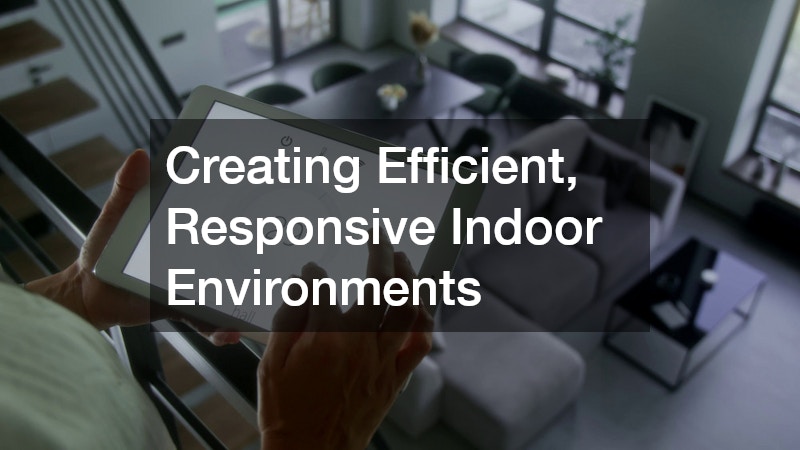
Some homes feel like they’re arguing with you.
You adjust the temperature. It overcorrects. One room improves while another worsens. You learn to live around it instead of with it.
That’s a responsiveness problem.
Home automation works best when it fades into the background. When it doesn’t feel like “technology,” but rather like the house understands what’s happening inside it.
This only works when core systems are healthy. Heating repair shouldn’t be framed as an emergency response—it’s ongoing care. Systems that run slightly off create constant micro-discomfort long before they fail outright.
Future-proof homes don’t chase perfect temperatures. They aim for consistency.
When systems respond smoothly, comfort becomes passive instead of something you manage.
Making Outdoor Systems More Reliable and Resource-Efficient
Outdoor comfort is easy to undervalue because it’s seasonal and indirect.
But neglected exterior systems have a way of sneaking back into daily life. Dry landscaping radiates heat. Overwatering raises bills. Malfunctioning zones create a mess without explanation.
Sprinkler system maintenance isn’t exciting, which is exactly why it matters. It keeps things predictable.
Future-oriented homeowners don’t “set and forget.” They revisit systems as conditions change. Plants mature. Shade shifts. Weather patterns evolve.
When outdoor systems work quietly, the home feels calmer. You stop noticing problems because there aren’t any asking for attention.
Protecting the Home From Structural and Comfort Disruptions
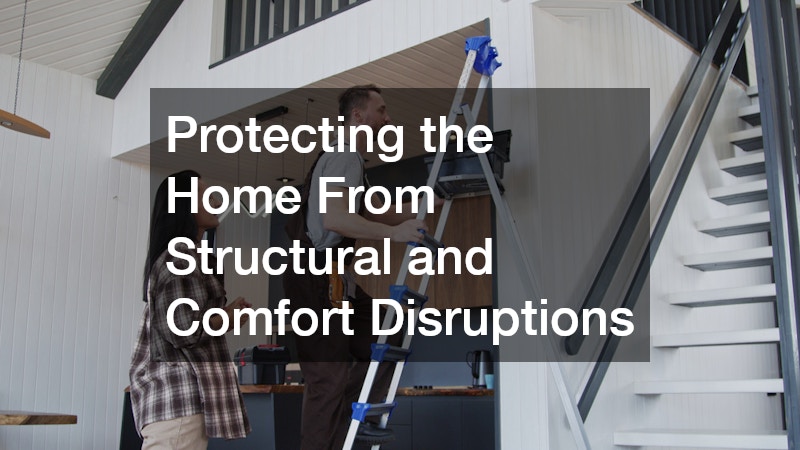
Structural comfort failures rarely happen all at once.
They unfold in increments. Each change on its own feels minor—easy to rationalize, easy to postpone. That’s what makes them dangerous.
What often shows up first isn’t damage, but disturbance:
- A faint scratching sound late at night
- A draft that seems to come and go
- A corner of the house that no longer holds temperature the way it used to
Rodent control sits squarely in this category because the early signs don’t feel urgent. There’s rarely visible damage at first. No dramatic failure. Just subtle disruptions that blend into everyday household noise and variation.
But those disruptions don’t stay small.
Rodents don’t simply pass through and leave. They chew. They nest. They widen tiny openings into access points. Insulation gets compressed or removed entirely. Air barriers are breached. Wiring and ductwork become collateral damage.
Comfort erodes quietly, room by room.
By the time discomfort is undeniable, the home has already been compromised. Temperatures fluctuate unpredictably. Energy bills rise without a clear explanation. Certain rooms feel perpetually off, no matter how much you adjust the thermostat.
Future-proofing in this area requires a shift in mindset.
It means respecting small signals instead of waiting for confirmation:
- Sounds that repeat instead of disappear—not a single noise, but a pattern
- Odors that don’t have a clear source—not strong enough to alarm, but persistent enough to linger
- Changes in airflow or insulation performance—rooms that once felt neutral now feel drafty or uneven
These aren’t nuisances.
Their information.
Homes that maintain long-term comfort treat these signs as prompts, not inconveniences. Early attention preserves more than structure—it preserves calm. Because when a home stays sealed, quiet, and intact, comfort becomes the default rather than something you have to chase.
Cleanliness helps.
Maintenance matters more.
Comfort thrives where disruption never gets the chance to take hold.
Planning Specialized Features for Long-Term Ease
Enjoyment fades quickly when maintenance feels confusing or constant.
Specialized features magnify this effect. Pools, in particular, demand consistency. pH balance pool maintenance isn’t optional if comfort is the goal—it’s foundational.
Water that’s slightly off feels wrong. Equipment that’s stressed fails earlier. Usage declines, and what was once a highlight becomes a chore.
Future-proof comfort asks one question upfront:
Will this be easier or harder to live with five years from now?
Adapting Interior Storage and Layouts for the Future

It doesn’t announce itself as a failure. It shows up as irritation. You open a cabinet and hesitate because you already know it won’t be easy to reach what you need. You shuffle items around because nothing quite fits the way it should. You adapt, over and over, without realizing how much energy that adaptation costs.
At first, it feels like a personal issue rather than a design one. You assume you’re just disorganized or busy. But when storage consistently works against your habits, the annoyance becomes routine. Small tasks take longer than they should. Every day motions feel slightly inefficient.
This is where custom cabinet designs quietly change the experience of a home.
Their real value isn’t visual impact. It’s anticipation. Not just of aesthetic trends, but of how bodies move, and routines evolve. What feels effortless today may feel taxing later. What’s reachable now may not always be. Homes that plan for this shift reduce friction before it becomes frustration.
They reduce bending, stretching, and searching—not by eliminating storage, but by placing it where movement feels natural.
They prioritize function without feeling clinical, blending practicality into spaces that still feel personal and lived-in.
When storage works intuitively, it fades into the background. You stop thinking about where things go because the answer feels obvious. Daily routines shorten. Mental clutter eases. The house stops asking for adjustments.
That quiet—subtle, steady, and unremarkable—is comfort doing its job.
Future-proofing your home for comfort isn’t about perfection or prediction. It’s about humility—accepting that life will change—and building a home that doesn’t resist that change.