Understanding the significance of replacing your garage door is crucial for homeowners. This article will guide you through essential considerations and answer common questions about garage door replacements. Garage doors play a pivotal role in both the aesthetic and functional aspects of a home.
Often overlooked, a garage door can drastically alter the curb appeal and security of a property. In this comprehensive guide, you’ll learn about costs, types, and signs that indicate when a replacement is necessary.
How Much Does a Garage Door Replacement Cost?
Homeowners often wonder about the financial implications of replacing their garage doors. The cost of a garage door replacement can vary significantly based on materials, installation complexity, and added features. Typically, the price for a basic steel garage door can start around $600, while custom wood doors can exceed $3000. Installation is another factor, with costs influenced by the current condition of your garage and any additional modifications required. Understanding these costs allows homeowners to budget effectively and choose an option that suits both their needs and financial constraints.
When estimating expenses, consider that the value of a new garage door goes beyond initial costs. Investing in insulation and high-quality materials can result in long-term savings on energy bills. According to remodeling experts, a garage door replacement can recoup nearly 95% of its cost in increased home value. This makes it not only a necessary update but also a beneficial investment for homeowners looking to sell in the future. The choice of installer also affects pricing, where expertise can prevent costly repairs down the line.
Some homeowners may opt to include additional features such as modern garage door openers, security systems, or automation, which can influence both upfront costs and future utility. For example, installing a smart opener that integrates with home automation systems provides convenience at an added cost. There’s also the option of enhancing appearance through windows or custom designs, each bringing additional financial considerations. Homeowners must balance these added features with their budget, weighing benefits against investment.
What Are the Types of Garage Doors Available?
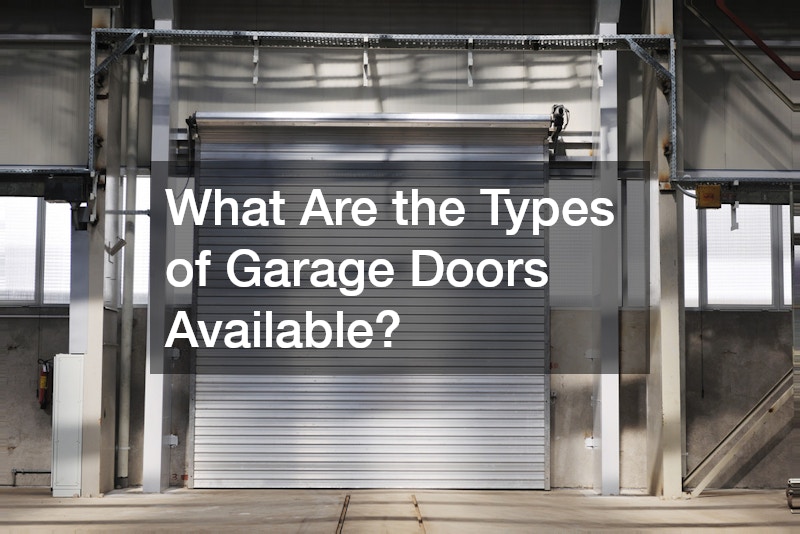
Choosing the right garage door involves understanding the available options. The materials range from aluminum and steel to wood and fiberglass, each offering distinct benefits and aesthetics. Steel doors are popular for their durability and low maintenance, while wood doors provide a timeless look with customizable features. Fiberglass, although less common, offers rust resistance and light weight, ideal for certain climates. Each material impacts not only the door’s appearance but also its insulation properties and overall cost.
Beyond materials, the style of a garage door also plays a crucial role in functionality and aesthetic appeal. Styles include traditional sectional doors, contemporary designs with full-view glass, or even carriage-house styles that mimic barn doors. Each of these options brings a unique architectural element that can enhance the home’s overall theme. Additionally, these styles may offer different operational mechanisms, such as swinging, sliding, or roll-up actions, which homeowners should consider based on space and usage preferences.
How Do I Know When to Replace My Garage Door?
Recognizing the signs that indicate a need for garage door replacement is vital for maintaining home safety and functionality. Visible signs include dents, rust, or warping that affects operation and aesthetics. Additionally, if the door struggles to open or close smoothly, it may indicate a problem with the track system or torsion springs. Regular inspections can help homeowners detect these issues early, avoiding more extensive repairs. It’s also advisable to be aware of increased noise during operation, which could signify mechanical wear over time.
Beyond physical signs, the age of the garage door is a major factor to consider. Most garage doors have a lifespan of 15 to 30 years depending on material and maintenance. If your door is approaching this age range, replacement may be more cost-effective than repeated repairs. Technological advancements in newer doors also offer improvements in security, energy efficiency, and convenience, making an upgrade beneficial. Outdated doors may lack these modern benefits, proving disadvantageous in emergencies or inclement weather.
Owners should not overlook the door’s impact on home energy efficiency as a sign for replacement. Older doors may lack proper insulation, leading to increased energy bills. A new, well-insulated garage door can improve thermoregulation, including cold drafts or excess heat being transferred to or from the garage. Signs such as fluctuating room temperatures adjacent to the garage or staggering utility costs could indicate that your current garage door is not functioning optimally. These factors combined underscore the importance of timely door replacement decisions in maintaining overall home efficiency.
Replacing your garage door can significantly impact your home’s curb appeal and functionality. By understanding the costs, types, and timing for replacement, homeowners can make well-informed decisions to enhance their property. A carefully selected garage door enhances security, improves household energy management, and supports aesthetic harmony in home design. For both new and experienced homeowners, being proactive rather than reactive in door maintenance can offer peace of mind and long-term benefits. As garage technologies evolve, staying informed enables homeowners to optimize both cost efficiency and sophistication in enjoying modern conveniences.