Owning property comes with a long list of responsibilities, and many of the most important ones involve preventing small maintenance issues from turning into expensive emergencies. A loose shingle, an aging pipe, a faulty alarm, or a drainage problem may not seem urgent at first, but delaying the right repair can lead to structural damage, safety concerns, or higher long-term costs. Property owners who understand which services matter most are better prepared to respond quickly.
Routine inspections and preventive maintenance can help extend the life of major systems, but no property stays problem-free forever. Homes and commercial buildings both depend on a network of roofing, plumbing, heating, drainage, safety, and structural systems that need professional attention. Knowing which type of contractor to call can make a stressful situation easier to manage.
The following property maintenance services address some of the most common repair, prevention, and emergency needs property owners may encounter. Understanding the purpose of each service and knowing when to seek professional help can make it easier to build a practical maintenance plan.
Prioritize Fire Safety and Early Warning Systems
Fire prevention should be one of the first priorities in any property maintenance strategy. Residential and commercial buildings rely on multiple layers of protection, including smoke detectors, extinguishers, alarms, sprinklers, and emergency planning. Property owners should inspect these systems regularly and replace outdated or damaged components before they fail.
Professional fire protection services can help assess a building’s current safety measures and identify equipment or systems that may need service. Depending on the type of property, this could include inspection and maintenance of extinguishers, suppression systems, emergency lighting, or other protective equipment. Commercial properties may have additional requirements.
Fire alarm systems are equally important because they provide early warning when smoke or heat is detected. Alarms should be tested on a regular schedule, and owners should pay attention to warning signs such as repeated false alarms, low-battery signals, or damaged wiring.
Fire safety works best as an ongoing process rather than a one-time installation. Keeping records of inspections, testing equipment, replacing batteries, and reviewing evacuation plans can make a property better prepared for an emergency. Owners should also make sure everyone who regularly uses the building understands basic safety procedures.
Address Plumbing Problems Before They Spread
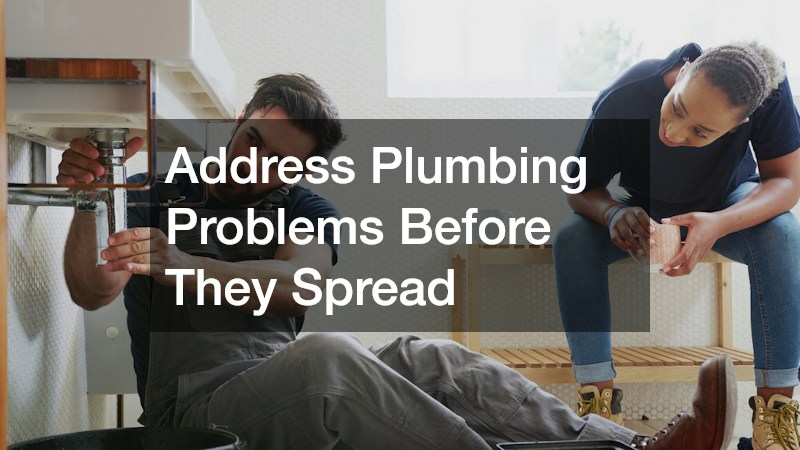
Plumbing problems are among the most common maintenance issues property owners encounter. Slow drains, dripping fixtures, running toilets, low water pressure, and unusual pipe noises may seem minor, but they can sometimes indicate a larger problem inside the plumbing system. Acting early can limit damage and reduce the chance of an emergency.
Professional plumbing repair may involve replacing damaged pipes, repairing fixtures, clearing blockages, correcting water pressure issues, or addressing problems with supply and drain lines. The right approach depends on the age of the plumbing, the location of the issue, and whether water damage has already occurred.
One of the biggest challenges is that plumbing problems are not always visible. Water can escape behind walls, beneath flooring, under concrete, or inside ceilings before obvious signs appear. Leak detection can help identify hidden moisture. Property owners should watch for stains, musty odors, peeling paint, warped flooring, damp cabinetry, or unexplained sounds of running water.
Preventive plumbing maintenance is especially useful in older properties. Inspecting exposed pipes, checking shutoff valves, maintaining water heaters, and monitoring drains can help catch issues before they become severe. Owners should also know where the main water shutoff is located so they can respond quickly if a pipe bursts or a major leak develops.
Maintain Heating and Cooling Equipment Year-Round
Heating and cooling systems affect comfort, energy use, and the overall condition of a property. When HVAC equipment is neglected, small performance problems can become more serious mechanical failures. Regular maintenance can help equipment operate more consistently and give property owners a chance to identify worn parts before a complete breakdown occurs.
Heat pumps require particular attention because they often provide both heating and cooling. A system that begins making unusual noises, cycles frequently, struggles to maintain temperature, or causes a sudden increase in energy use may need heat pump repair. Other signs can include weak airflow, ice buildup, inconsistent temperatures, or a unit that will not switch properly between heating and cooling modes.
Property owners can reduce unnecessary strain by replacing or cleaning filters, keeping outdoor equipment clear of leaves and debris, and ensuring vents are not blocked by furniture or storage. Professional inspections can also identify electrical, refrigerant, drainage, or airflow issues that are difficult to diagnose without specialized equipment.
Seasonal maintenance is a practical way to reduce the risk of losing heating or cooling when it is needed most. Scheduling service before the hottest or coldest parts of the year may also give owners more flexibility. For rental or commercial properties, reliable HVAC performance can also reduce complaints and help maintain comfortable indoor conditions for occupants.
Manage Drainage, Grading, and Groundwork Carefully
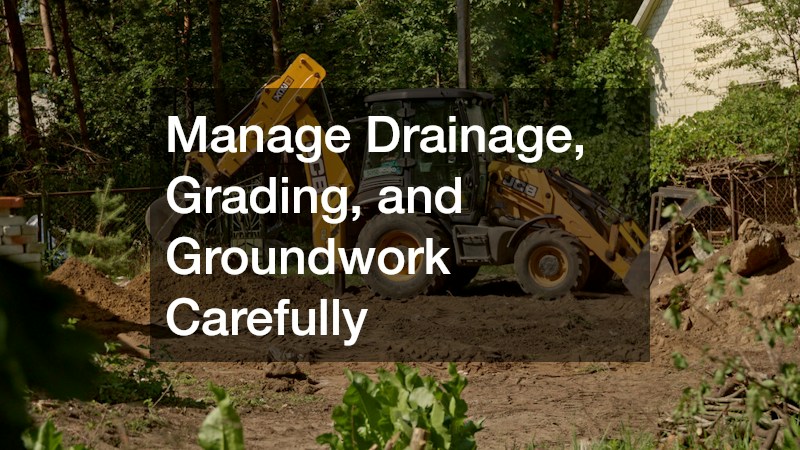
Some of the most important property maintenance happens below ground or around the exterior rather than inside the building. Drainage problems, poor grading, unstable soil, damaged utility lines, and deteriorating driveways can all affect how water moves around a property. If these conditions are ignored, they may contribute to foundation problems, standing water, erosion, or repeated moisture intrusion.
Local excavating contractors can assist with projects that require moving soil, preparing land, creating drainage solutions, digging trenches, installing or accessing underground utilities, or preparing areas for construction and repair. Because excavation can affect buried lines, nearby structures, and water flow, property owners should avoid treating it as simple digging work.
Before beginning a major exterior project, owners should understand the purpose of the excavation and how the area will be restored afterward. Proper grading is especially important because water should generally move away from buildings rather than collect near foundations. Downspouts, drainage channels, swales, and other features may also play a role in managing runoff.
Groundwork can also become necessary when adding patios, driveways, retaining walls, drainage systems, septic components, or utility connections. Planning the work carefully can help prevent future settling or erosion. Owners should also consider how excavation may affect landscaping, access routes, neighboring properties, and the disposal of removed soil or debris.
Use Waste Removal as Part of Major Property Projects
Renovations, cleanouts, roofing projects, storm repairs, and landscaping work can produce more waste than standard household collection can handle. Piles of debris left around a property can create safety hazards, block access, damage landscaping, and slow down a project. Planning for waste removal before work begins can keep the site cleaner and more organized.
Dumpster rentals are useful for projects that generate bulky or heavy debris over several days. They give property owners and contractors a designated place to dispose of materials instead of allowing waste to accumulate in driveways, yards, garages, or work areas. Common uses include remodeling debris, old flooring, broken furniture, roofing materials, yard waste, and general cleanout materials.
Choosing the right container size matters. A dumpster that is too small may require extra pickups, while one that is too large can take up unnecessary space. Owners should also think about placement, access for delivery trucks, surface protection, and any local restrictions that may apply.
Not every material belongs in a standard dumpster, so property owners should check disposal rules before loading hazardous chemicals, batteries, tires, appliances, or other restricted items. For larger projects, coordinating debris removal with contractors can reduce delays and help keep walkways and work zones clear. Good waste planning is a practical part of property maintenance because it makes repairs safer, more efficient, and easier to complete.
Respond Quickly to Water Damage and Moisture Problems
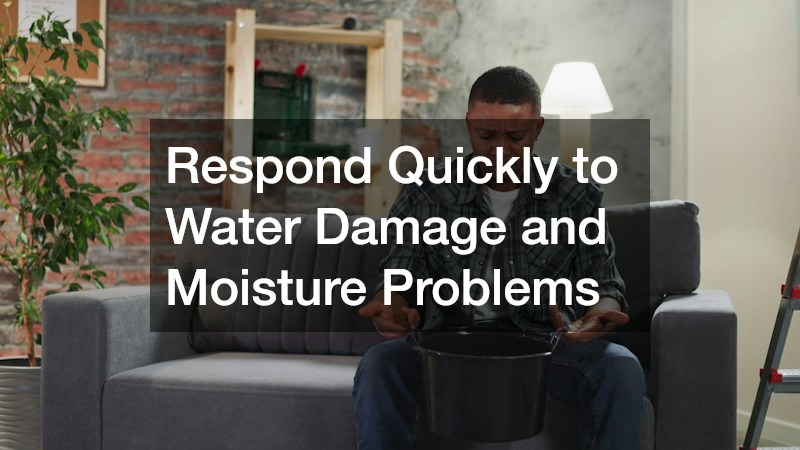
Water can cause significant damage to a property in a surprisingly short amount of time. Burst pipes, overflowing appliances, roof leaks, stormwater, sewage backups, and foundation seepage can all introduce moisture into areas that are not designed to stay wet. The longer water remains, the more likely it is to affect flooring, drywall, insulation, cabinetry, and structural materials.
Water damage restoration services can help remove standing water, dry affected areas, clean damaged surfaces, and evaluate materials that may need replacement. The first priority, however, is stopping the source of the water. That may mean shutting off the main water supply, covering a damaged roof area temporarily, or contacting the appropriate repair professional.
Property owners should not assume that a surface is dry simply because visible water is gone. Moisture can remain inside wall cavities, beneath floors, or within porous materials. Lingering dampness can create odors, staining, swelling, and conditions that support mold growth.
After the immediate cleanup, owners should identify why the problem happened and correct the underlying cause. A repaired pipe, improved drainage system, sealed opening, or corrected roof problem may be necessary to prevent the same damage from happening again. Documenting affected areas, repairs, and restoration work can also be useful for maintenance records and, when applicable, insurance claims.
Protect the Roof Before Interior Damage Begins
A roof is one of the property’s primary defenses against weather, yet roof problems can be easy to overlook because much of the system is out of sight. Missing shingles, cracked flashing, deteriorated sealant, damaged vents, clogged drainage areas, or storm damage can allow moisture to enter gradually. By the time a ceiling stain appears, the problem may have been developing for some time.
Timely roof repair can address isolated damage before it spreads to decking, insulation, ceilings, or walls. Property owners should inspect the roof area from the ground after severe weather and look for visible changes such as missing materials, sagging areas, loose gutters, fallen branches, or debris buildup. Attics may also reveal signs such as damp insulation, daylight through openings, or darkened wood.
Some situations cannot wait for a routine appointment. Emergency roofers may be needed after high winds, falling trees, hail, or other events that leave the property exposed to additional rain or structural damage. Temporary protection may be necessary before permanent repairs can be completed.
Preventive roof care also includes cleaning gutters, trimming overhanging branches when appropriate, checking flashing around penetrations, and addressing small leaks quickly. Property owners should keep in mind that walking on a damaged roof can be dangerous, particularly after storms or when surfaces are wet. Visual checks from a safe location and professional inspections are often the better approach.

Build a Maintenance Plan Around Prevention and Fast Response
Property maintenance becomes easier when owners treat it as a system rather than a series of unrelated emergencies. The most effective plans combine routine inspections, seasonal tasks, professional service, recordkeeping, and a clear strategy for responding when something breaks. This approach can help reduce surprises and make repair decisions less stressful.
A practical maintenance calendar might include roof and gutter checks, HVAC service, plumbing inspections, fire safety testing, exterior drainage reviews, and scheduled cleanup projects. Owners can also keep a list of service providers, emergency contacts, warranty information, shutoff locations, and major equipment details in one accessible place.
Keeping photographs, receipts, inspection notes, and repair records can also help owners track recurring issues, plan future upgrades, and document maintenance completed over time clearly.
Budgeting is another important part of the process. Even well-maintained properties eventually need repairs, replacements, and upgrades. Setting aside funds for maintenance can make it easier to act when a problem appears instead of postponing work until damage becomes more extensive.
The key is to watch for early warning signs. Unusual sounds, unexplained odors, stains, cracks, moisture, electrical issues, temperature changes, drainage problems, or visible exterior damage all deserve investigation. Property owners do not need to become experts in every building system, but they should know when a situation requires professional attention.
Maintaining a property well is ultimately about protecting its function, safety, and long-term condition. Regular care can help reduce avoidable damage, while quick action can limit the impact of emergencies that cannot be prevented. By understanding the roles of specialized contractors and building maintenance into a regular routine, owners can make more informed decisions and keep their properties in better shape over time.